
Organized by the Long Beach Surfing Club, the Junior Chamber of Commerce, and the Long Beach Amusement League, the 1938 championships brought together elite watermen and women from across Southern California. Among them were pioneers of the sport:
Weeks later, the rescheduled surfing competition drew another 40,000 spectators, cementing Long Beach as a centerpiece of early surf culture.
When Long Beach was "Queen of the Beaches"
Today, Long Beach is rarely associated with surfing -- but in the early 20th century, it was one of the West Coast's premier wave-riding destinations.
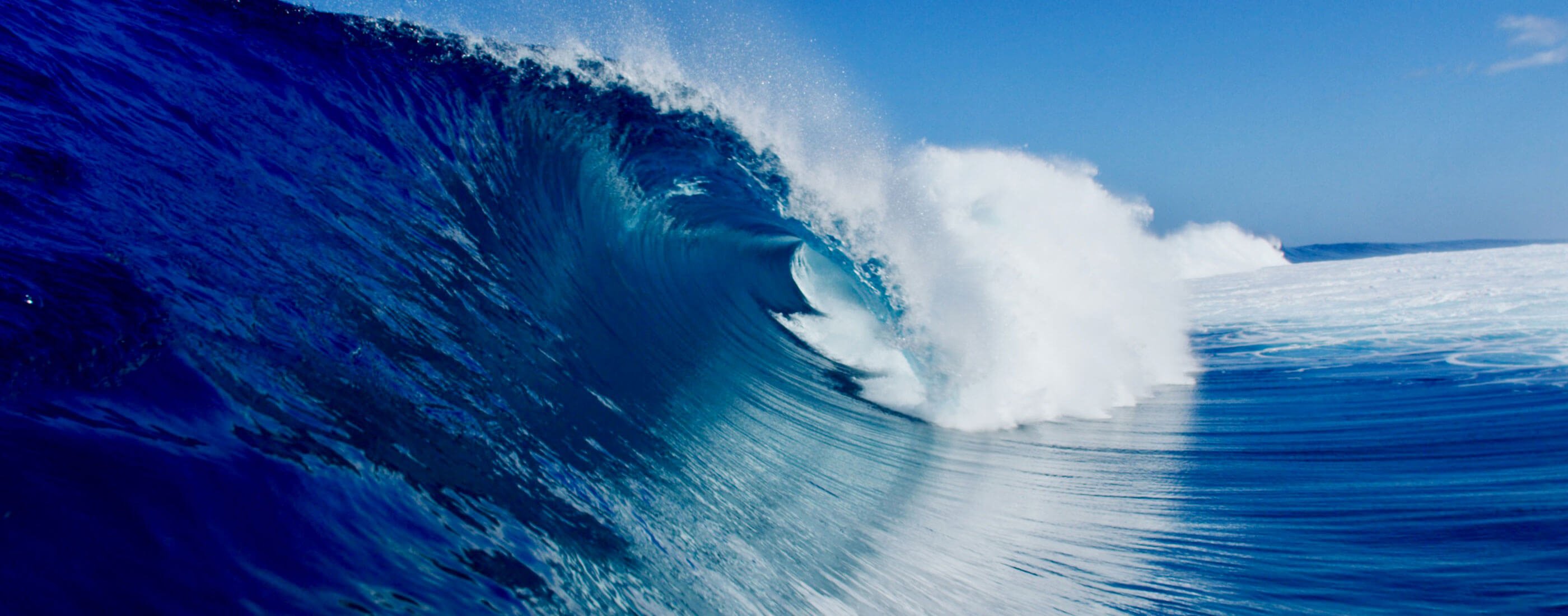
Six-foot swells rolled toward the shore. Surfboards were built locally. Lifeguards and athletes pioneered techniques that mirrored Hawaiian traditions.
The installation of the breakwaters during World War II would eventually calm these waves, reshaping the coastline and erasing a once-thriving surf scene from public memory.


A Recognized Piece of California History
In April 2024, the State of California officially designated the site of the 1938 championships as a California Point of Historical Interest, recognizing its importance in the evolution of surfing in the United States.
This designation affirms:
Local leaders and the Marine Advisory Committee have since advocated for public recognition, including interpretive signage and community engagement, to ensure the story is preserved.
A Coastline Transformed
The historic contest site spans approximately 28.5 acres of what was once an active surf shoreline -- today reshaped by development and coastal engineering.
Where waves once broke beside amusement rides and piers, the modern waterfront tells only part of the story. Beneath it lies a forgotten chapter of innovation, competition, and coastal identity.

This site is more than a memory -- it's a landmark of California's coastal heritage. Ongoing efforts aim to commemorate the location through public education, signage, and community awareness.
Support preservation initiatives. Share the story. Help ensure future generations understand where modern surf culture took root.